
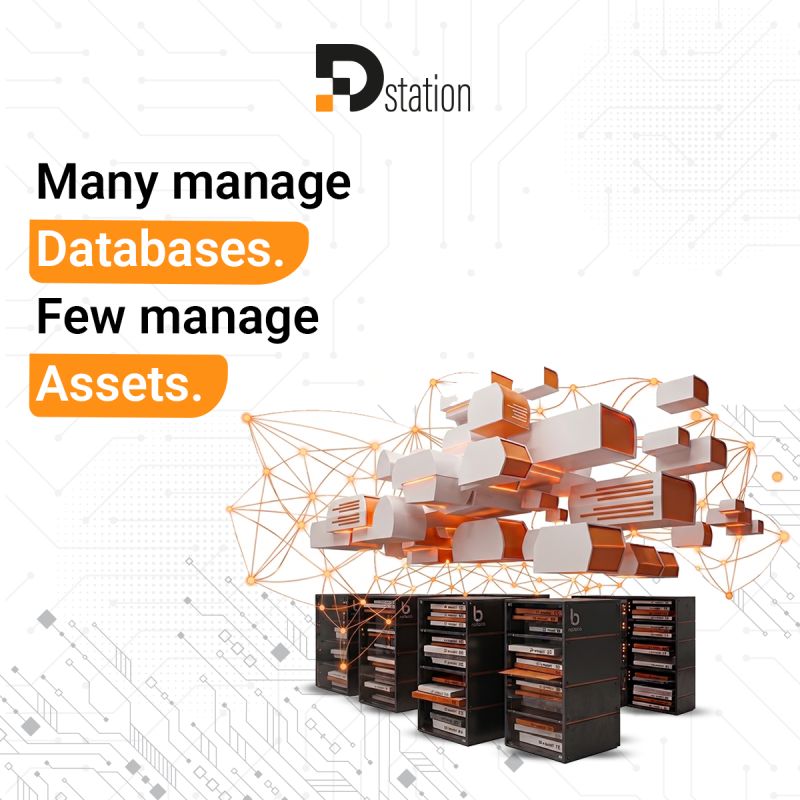
Storing data is simple. Turning that data into something you can actually rely on is not. Many organizations manage databases tables, records, backups. Few manage what’s inside those databases as true assets: reliable, structured, and ready to support growth.
Three things separate the two: real automation, true readiness, and data quality.
Real Automation Relies on a Trusted Data Source
Automation is only as good as the data feeding it. Without a source you can actually trust, automation just moves errors faster.
Why Trust Comes Before Automation
Teams often automate first and question the data later. That order creates risk, since automated systems repeat whatever mistakes already exist in the source data, just faster and at a larger scale.
Building Automation on Data You Can Rely On
Real automation starts by confirming the data source is accurate and consistent. Once that trust exists, automation becomes a multiplier for good work instead of a multiplier for bad data.
True Readiness Comes From Solid Technical Structures
Readiness isn’t a status you claim. It’s a result of structures built to last, not patched together to survive the next deadline.
Structures Built to Last, Not Just to Work Today
A system that works today but breaks under tomorrow’s load isn’t ready it’s temporary. True readiness means the underlying structure holds up as demands grow.
The Payoff of Solid Technical Foundations
Organizations with solid technical structures adapt to change without starting over. New requirements, new integrations, and new scale all build on the same stable base instead of forcing a rebuild.
Managing Assets, Not Just Databases
A database is a container. An asset is something you can trust, build on, and grow with confidence. Real automation, true readiness, and data quality are what turn one into the other.